
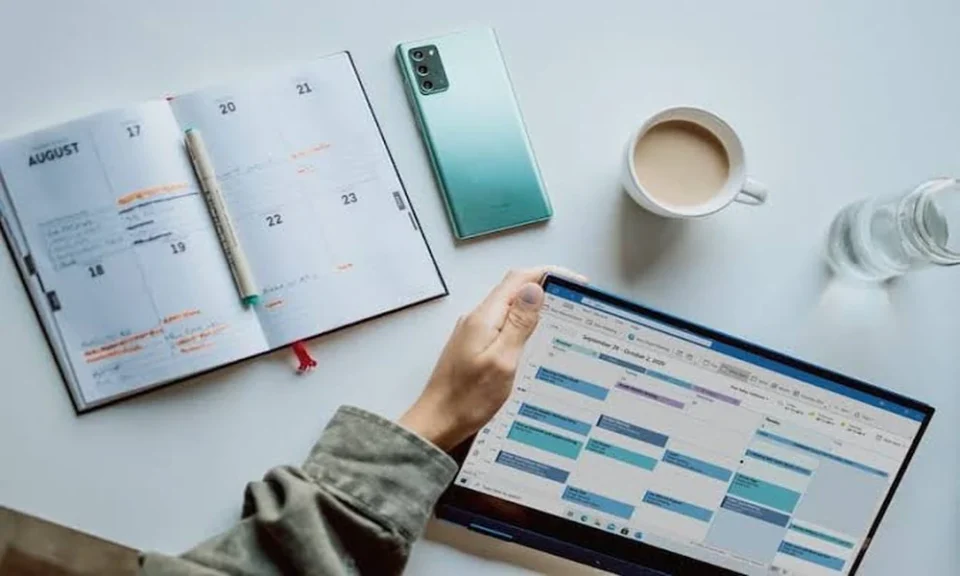
A planner should make life easier, but choosing the wrong one can leave important tasks scattered across notebooks, calendars, and sticky notes. A layout that doesn’t fit your schedule may become difficult to maintain, making it harder to stay organized throughout the year.
People who shop all planners usually discover that the best choice depends on their daily responsibilities, work habits, and personal goals. The strategies below explain how to match a planner to your routine, so it becomes a tool you use consistently.
1. Match the Layout to Your Daily Schedule
A planner should support the way you organize your day. Someone with back-to-back meetings may need detailed daily pages, while another person may prefer a weekly overview for tracking projects, errands, and appointments in one place.
Process to Choose the Right Layout
- List your typical daily responsibilities.
- Count how many appointments you manage each day.
- Decide how much writing space you need.
- Compare daily, weekly, and monthly layouts.
- Select the format that feels easiest to maintain.
2. Choose a Planner Size That Fits Your Routine
The best planner is one you can comfortably carry and use every day. A larger planner provides more writing space, while a compact option works better for people who travel, commute, or attend frequent meetings.
Process to Select the Right Size
- Decide where you’ll use the planner most.
- Measure the space available in your bag or briefcase.
- Compare portable and desk-size formats.
- Think about how much you write each day.
- Choose a size that balances convenience and functionality.
People who shop all planners frequently compare size options before narrowing their choices because portability can influence long-term use just as much as page layout.
3. Compare Features Based on Your Priorities
Every planner includes different organizational tools. Some focus on scheduling, while others include goal-setting pages, project planning sections, note pages, and monthly calendars that support both work and personal responsibilities.
Process to Compare Planner Features
- Identify the features you use regularly.
- Make a list of tools you wish your current planner had.
- Compare layouts across several planner styles.
- Check for dedicated notes and project sections.
- Select features that simplify your routine.
4. Think About Your Planning Habits Throughout the Year
Your responsibilities may change as projects, family commitments, or professional goals evolve. Choosing a planner that can support changing priorities reduces the need to switch systems during the year.
Process to Plan for Future Needs
- Review upcoming personal and professional goals.
- Estimate how your schedule may change.
- Consider seasonal workload differences.
- Look for flexible planning sections.
- Choose a planner with room for growth.
5. Focus on Quality for Everyday Use
A planner handles constant writing, page turning, and transportation throughout the year. Strong materials and thoughtful construction help it remain reliable through daily use.
Process to Evaluate Planner Quality
- Check the paper thickness.
- Review the binding style.
- Compare cover materials.
- Turn several pages to assess durability.
- Choose a planner designed for frequent use.
6. Build a Planning System You Can Maintain Every Day
A planner only works when it becomes part of your daily routine. Choosing one that feels simple to use encourages consistency and makes it easier to manage appointments, deadlines, personal goals, and important reminders without switching between multiple tools.
Process to Build a Consistent Planning Routine
- Set aside a few minutes each morning or evening to review your planner.
- Write down appointments, tasks, and priorities in one place.
- Check completed tasks before adding new ones.
- Review weekly goals at the end of each week.
- Adjust your planning approach as your schedule changes throughout the year.
The right planner should complement your schedule instead of forcing you to change the way you organize your day. Comparing layouts, size, features, flexibility, and durability makes it easier to find a planner that supports both work and personal responsibilities. Taking a little extra time before making a decision helps create a planning system that remains useful throughout the year.
