
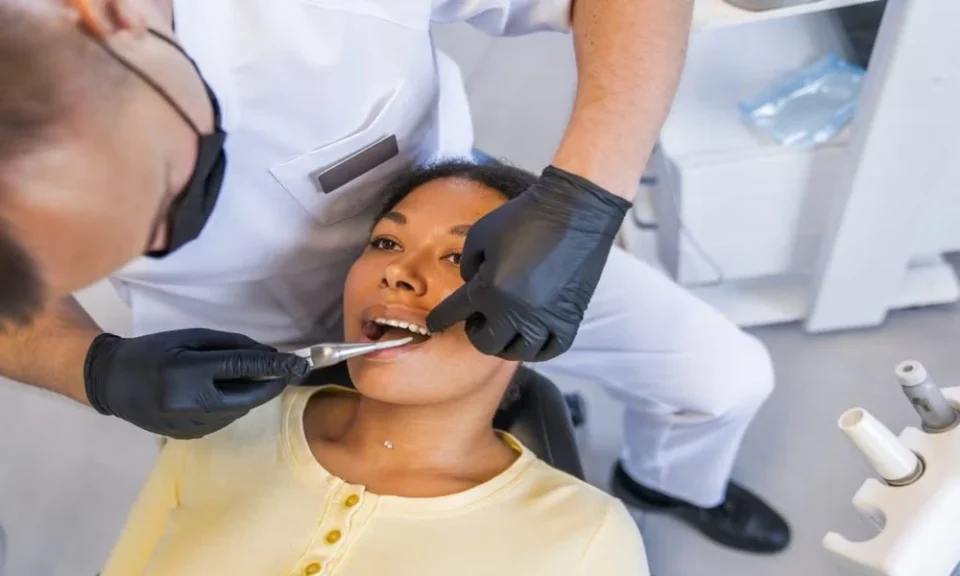
You are not just trying to keep up with cleanings and checkups. You are trying to remember when your child last changed a toothbrush, whether that bleeding gum is normal, and if the snacks in your kitchen are helping or hurting everyone’s teeth. Oral health can feel like one more thing you are supposed to manage perfectly, even though most people were never taught much beyond brush twice a day. That is why compassionate dental care in Crest Hill, IL can make such a meaningful difference.
That is where family dentistry often matters most. A family dentist does more than look for cavities. Good care includes teaching you what is happening in your mouth, why it is happening, and what small changes can prevent bigger problems. The value is not limited to the appointment itself. It carries into your routines at home, your food choices, your child’s habits, and the way you respond to pain before it turns into a crisis.
Family dentistry turns routine visits into practical health education
Many people think of dental visits as repair appointments. You go in, something gets cleaned or filled, and then you leave. That model misses one of the strongest parts of family dental care education. When a dentist explains plaque buildup, dry mouth, bite issues, thumb sucking, grinding, or early gum disease in plain language, you stop guessing. You start making decisions with more confidence.
That matters because oral problems rarely appear out of nowhere. A child who sips juice all day may develop decay even if brushing seems consistent. An adult with stress related grinding may keep breaking fillings without realizing the cause. A teen with braces may need different cleaning tools and more frequent reminders, not criticism. Education changes the pattern because it gives the whole family a reason behind the advice.
The best teaching in a dental office feels personal, not generic. You are shown how to angle a toothbrush for your own gumline, how much toothpaste your toddler needs, or why a certain medication is making your mouth feel dry. That kind of guidance sticks because it connects directly to daily life.
A family dentist helps parents and children build habits that last
Children learn oral care from repetition, but they also learn it from tone. If brushing is always framed as a battle, kids often carry that stress with them. A family dentist can help shift the mood by making oral hygiene feel normal, manageable, and age appropriate. A child who hears the same message from a trusted dentist and a parent is more likely to take it seriously.
Education also changes as your family changes. Toddlers need help with brushing and fluoride guidance. School age children need support around snacks, sports drinks, and sealants. Teens may need honest talk about braces, wisdom teeth, or how vaping affects the mouth. Adults need reminders about gum disease, restorations, and the link between oral health and overall health. Older adults may need help with dentures, medications, dexterity issues, and root decay.
This is why family dentistry education has a wider reach than many people expect. One office can track patterns across generations, spot habits early, and explain prevention in ways that fit each stage of life.
For parents who want reliable home guidance, the CDC offers oral health tips for children. Adults can also review the CDC’s oral health tips for adults. The National Institute of Dental and Craniofacial Research shares clear basics on oral hygiene, including brushing, flossing, and fluoride.
Preventive dental education reduces confusion, delay, and avoidable treatment
Confusion gets expensive. If you do not know that gums should not bleed regularly, you may ignore early gingivitis until deep cleanings are needed. If you assume baby teeth do not matter because they fall out anyway, a child may end up with pain, infection, missed school, and a much harder dental experience later. If you think sensitivity is always minor, a cracked tooth can keep worsening while you wait.
Education lowers the chance of delay because it gives you a clearer line between normal and not normal. It also lowers shame. People often avoid the dentist because they expect judgment. When a family dentist explains cause and effect without blame, people are more likely to come in sooner, ask better questions, and keep follow up visits.
That is one of the quiet strengths of a family dentist. The goal is not just treatment. The goal is to help you understand what protects your teeth and what puts them at risk, so fewer surprises turn into bigger bills and more stress.
Home care and professional guidance work better together
| Situation | Home Care Alone | With Professional Guidance |
|---|---|---|
| Child resists brushing | Parents may push harder without knowing if technique or timing is the issue | Dentist can suggest age based tools, routines, and coaching that reduce conflict |
| Bleeding gums | Often ignored or mistaken for normal brushing irritation | Early signs of gum disease can be identified and managed before they worsen |
| Frequent cavities | Focus may stay only on brushing, missing diet or fluoride gaps | Dentist can review risk factors, hygiene habits, and preventive treatments |
| Tooth sensitivity | Desensitizing toothpaste may mask the problem | Causes like enamel wear, grinding, decay, or cracks can be evaluated |
| Teen oral care | Advice may be ignored if it sounds repetitive | Clear, direct education from a clinician often improves follow through |
Most families do not need perfection. They need clarity, consistency, and someone who can connect symptoms with solutions. That is the practical difference between guessing at home and getting informed support through regular dental care.
Small steps make family dental education easier to use at home
Pick one habit to fix first. Do not overhaul everything at once. If bedtime brushing keeps getting skipped, start there. If your child grazes on sugary snacks, address that before buying more products. One steady change is easier to keep than five rushed ones.
Write down patterns before the next visit. Notice bleeding, bad breath, jaw pain, sensitivity, grinding, or resistance to brushing. Bring that list to the appointment. Specific examples help a family dentist give advice that fits your real routine instead of generic instructions.
Ask for demonstrations, not just answers. If flossing is hard, ask to be shown. If your child has braces, ask which tools actually help. If an older parent struggles with dexterity, ask about easier options. Visual teaching often solves problems faster than verbal advice alone.
Education is one of the most useful parts of family dentistry
You do not need to know everything about oral health to take good care of your family. You need reliable guidance, honest explanations, and support that fits real life. That is how family dentistry provides education beyond the dental chair. It helps you catch problems earlier, build better habits, and feel less overwhelmed by the daily choices that affect your teeth and gums.
If you are due for a visit, use that appointment as a chance to ask questions and get practical answers you can take home the same day.
