
Most homeowners shop for a heating system exactly once a decade, usually on the worst possible day, with a contractor standing in their kitchen and a failing furnace groaning in the basement. That’s a lousy setup for a decision this big. You get two options with very different physics, very different installation needs, and very different running costs, and about twenty minutes to sort them out.
Here’s the short version. A heat pump moves heat instead of making it, which makes it wildly efficient in mild weather and steady in cold weather once you spec it right. A furnace burns fuel and throws off heat fast, which makes it the easier swap in an old house with a small electrical panel. The right answer depends far less on brand loyalty than on your house, your climate, and how much electrical capacity you’re willing to pay for. If you already know you want a heat pump, Peterson Air Care heat pump solutions is a reasonable place to start sorting out sizing and installation questions.
What follows is the version of the conversation I wish more homeowners had before they sign anything. We’ll cover how each system actually works, the five features of your house that decide this fight, a simple scoring framework you can run yourself, and the mistakes that turn a good heat pump install into a bad one.
How a heat pump and a furnace actually differ
A furnace generates heat. Gas or oil burns inside it, and a blower pushes warm air through your ducts. That’s it. The technology hasn’t changed much in fifty years, which is exactly why furnaces are cheap to buy, easy to repair, and plentiful in cold-weather markets where the gas lines already exist.
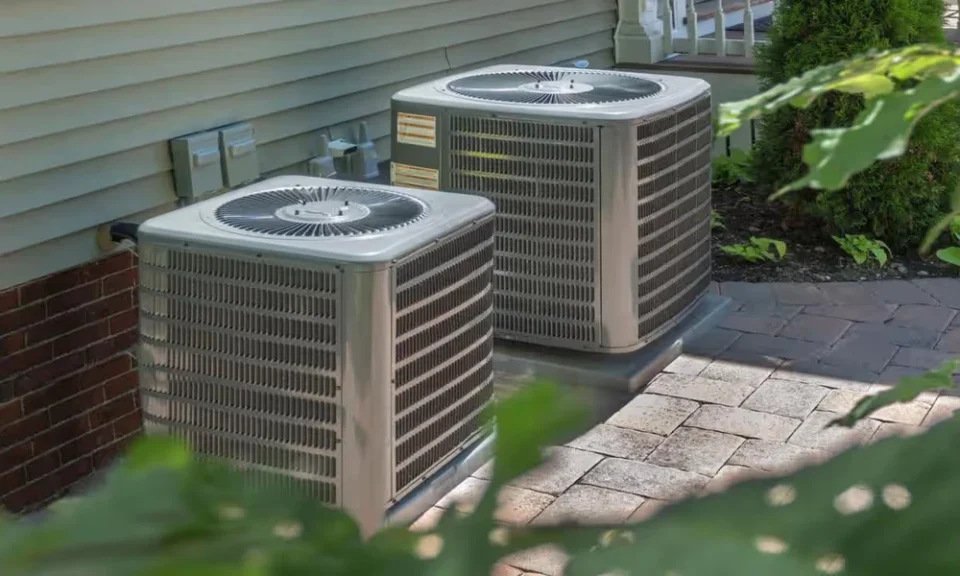
A heat pump does something different. It uses a refrigerant cycle to grab heat from outside air and move it indoors, then reverses itself in summer to pull heat out of your house. There’s no flame. The equipment is essentially an air conditioner running backward.
That “reverse” part matters more than most people realize. One machine heats and cools, so you stop paying for two separate systems. According to the Department of Energy, modern heat pumps can deliver several units of heat for every unit of electricity they consume, a ratio no combustion furnace can touch, because a furnace is capped by physics at giving you slightly less heat than the fuel it burns contains.
My take: the efficiency argument is real, but it’s not the whole decision. A high-efficiency heat pump installed into a leaky house with undersized ducts will underperform a boring mid-tier furnace every time. Installation quality beats equipment specs.
Five things about your house that decide this
Before you compare any quotes, walk your house and note these five things. They narrow the field faster than any spec sheet.
- Coldest design temperature. How low does it actually get on your coldest week? A heat pump sized for a mild winter will struggle where the design temp drops hard, unless you choose cold-climate equipment or keep a backup heat source.
- Electrical service. Older homes often have 100-amp panels with no room for a big new circuit. Upgrading the panel is a real cost that has nothing to do with heating.
- Ductwork condition. Leaky or undersized ducts sabotage any system. This is the boring line item that determines whether you’re comfortable in February.
- Existing gas service. If gas is already piped to the house, a furnace replacement is often simpler. If you’re on propane, the math changes fast.
- Cooling needs. If you don’t have central AC at all, a heat pump kills two birds and can cost less than adding AC plus a furnace.
Two more questions I’d ask any contractor, and I mean ask them out loud: did you run a full room-by-room load calculation, and can I see it? If the answer is a rule of thumb based on square footage, keep shopping.
Cooling season usually settles the argument
Here’s the angle most homeowners skip. If you’re replacing a furnace and you don’t currently have central air, the heat pump comparison stops being about heating at all. You’re comparing a furnace plus new AC plus a second set of install labor against one system.
In that scenario I’d almost always pick the heat pump, unless the house has electrical problems that make the panel upgrade brutal. The efficiency gains are a bonus. The real win is buying one piece of equipment from one install crew and having one warranty to keep track of.
If you already have a working AC condenser that’s five years old, the math flips. Replacing a furnace alone is cheaper, and you can revisit the heat pump when the AC dies. Doing both at once just to hit a deadline is how people overpay. And if you want to check how current refrigerants are rated under published standards, the National Institute of Standards and Technology maintains reference data that refrigerant decisions are built on.
The three-question fit test
This is the framework I’d hand a friend. Score each question from 1 (bad fit) to 3 (strong fit). Anything under six points and I’d lean furnace or a hybrid setup.
| Question | Score 1 | Score 3 |
|---|---|---|
| Does your climate spend most of the year in mild weather with a few hard freezes? | Deep, sustained below-freezing winters | Mild shoulder seasons, moderate winter peaks |
| Can your electrical panel handle a new dedicated circuit without a service upgrade? | 100-amp panel, already crowded | 200-amp panel with open breaker space |
| Do you also need central cooling? | AC already installed and healthy | No AC, or an aging unit due for replacement |
Run it honestly. A seven or eight is a comfortable heat pump house. A four is a house where a furnace plus a smart thermostat will serve you better for another decade, and there’s no shame in that.
Installation mistakes that wreck a good heat pump
The equipment gets all the attention, but the install decides your comfort. Three failures show up over and over.
Wrong sizing tops the list. An oversized heat pump cycles hard, dehumidifies poorly, and wears out faster. Undersized equipment runs nonstop and leaves you cold. Neither problem is solved by a better brand name. Proper design follows published load calculation methods, and the Air Conditioning Contractors of America is the standards body behind those methods, which is why a contractor who can tell you which procedure they followed is worth listening to.
Leaky ducts come second. You can buy the most efficient outdoor unit on the market and lose a huge share of that benefit if the flex duct in your attic is torn or disconnected. Have the ducts tested or at least visually inspected before signing off on installation.
Bad refrigerant charge and sloppy line sets come third. These are cheap to get right and expensive to fix. Ask whether the installing technician will verify charge with a method appropriate for the equipment, and whether you’ll get the commissioning report in writing.
What I’d do in your shoes
Pull your last three winters of utility bills. Write down your coldest typical week. Then decide whether you’re solving a heating problem or a heating plus cooling problem, because that single distinction drives most of the cost difference between the two options.
If you’re leaning toward heat pump equipment, get quotes that include a load calculation, a duct assessment, and a clear electrical scope. A quote that’s one line item for equipment plus labor is a warning sign, not a convenience, and any contractor who resists those details is telling you something about the quality that comes after you sign.
And if a contractor tells you heat pumps “don’t work here,” ask which model, which design temperature, and whether they ran the numbers. That question separates the pros from the guys guessing. What does your coldest week actually look like on paper?
