
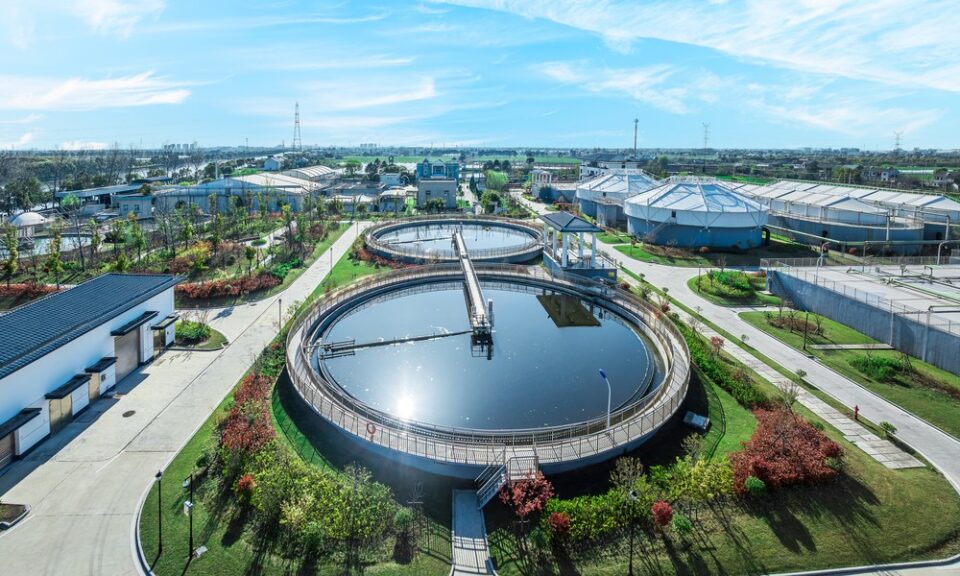
Reliable water and wastewater systems form the backbone of any growing city’s public health and sustainability. Careful planning ensures that communities receive clean water while managing waste effectively without environmental harm in Greenville. Construction teams follow strict standards to deliver systems that remain durable and compliant with regulations. The following sections explain how professionals build these systems effectively.
Site Evaluation Guides Infrastructure Planning
Site evaluation plays a critical role in shaping effective water and wastewater infrastructure projects. Engineers assess soil conditions and environmental factors before any construction begins. Many professionals reference industry experts like Harper General Contractors in Greenville, SC, when planning reliable system layouts and execution methods. Accurate surveys help determine pipe placement, treatment facility locations, and drainage patterns.
Detailed analysis prevents costly adjustments during later construction phases. Environmental considerations ensure that projects meet regulatory requirements and protect surrounding ecosystems. Data collected during evaluation guides engineers toward efficient and sustainable solutions. Proper site assessment creates a strong foundation for every stage of development.
Design Development Ensures System Efficiency
Design development transforms initial plans into detailed blueprints that guide construction activities effectively. Engineers in Greenville create system layouts that optimize water flow and wastewater treatment processes. Careful calculations ensure that pipelines handle the required capacity without strain or inefficiency. Treatment facilities receive designs that support filtration, purification, and safe discharge processes.
Compliance with local and federal regulations remains a priority throughout the design phase. Designers consider future population growth to ensure long-term system functionality. Clear documentation helps construction teams follow precise instructions during implementation. Well-prepared designs support efficiency, durability, and environmental responsibility.
Material Selection Supports Long-Term Durability
Material selection determines how well infrastructure performs under varying environmental conditions over time. Durable pipes, fittings, and structural components ensure long-lasting performance with minimal maintenance needs. Engineers in Greenville evaluate materials based on strength, corrosion resistance, and cost-effectiveness. High-quality components reduce the risk of leaks, failures, and service interruptions.
Proper selection ensures compatibility between different system elements and construction methods. Sustainable materials contribute to environmental protection and resource conservation efforts. Reliable materials also enhance safety for workers and the surrounding communities. Thoughtful selection supports an infrastructure that remains dependable for many years.
Construction Execution Follows Precise Standards
Construction execution requires strict adherence to engineering plans and safety guidelines throughout the process. Skilled teams install pipelines, treatment units, and support structures with precision and care. Coordinated efforts ensure that each phase aligns with the project timeline and objectives. Regular inspections in Greenville verify that work meets required quality standards and specifications.
Safety protocols protect workers and maintain compliance with regulatory requirements. Efficient coordination minimizes delays and prevents unnecessary expenses during construction. Effective communication between teams ensures that every task progresses smoothly. Careful execution results in infrastructure that functions reliably and meets performance expectations.
Maintenance Planning Extends System Lifespan
Maintenance planning in Greenville ensures that water and wastewater systems continue operating effectively after construction completion. Regular inspections identify potential issues before they develop into significant problems. Scheduled maintenance helps preserve system efficiency and reduces long-term operational costs. Monitoring tools provide valuable data that supports timely repairs and performance optimization.
Proper maintenance strategies extend the lifespan of infrastructure components significantly. Clear guidelines help maintenance teams perform tasks efficiently and consistently. Preventive care reduces the likelihood of system failures and service disruptions. Strong maintenance planning supports reliable infrastructure for growing communities.
Water and wastewater infrastructure play a vital role in supporting public health and urban development. Careful planning, precise execution, and consistent maintenance ensure reliable system performance over time. Many professionals consider firms like Harper General Contractors in Greenville, SC, when aiming for dependable construction standards and project success. Well-built systems contribute to sustainable growth and improved quality of life within the community.
