
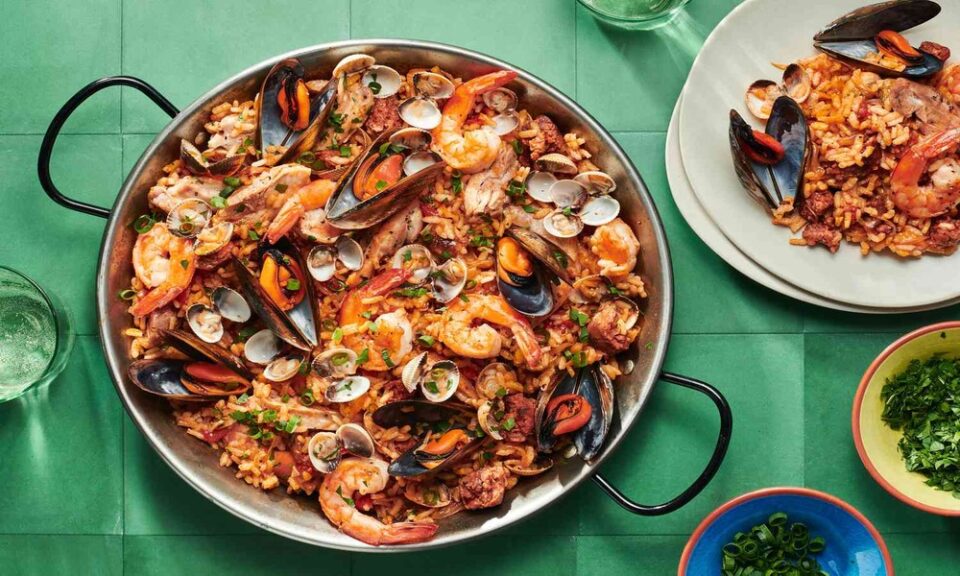
A long-awaited trip abroad often comes with a happy side effect. You return home craving the food you ate while you were away. Coastal Europe in particular has a way of converting visitors into lifelong fans of its cooking. Light dishes built around olive oil and the freshest produce of the season leave a lasting impression well after the trip ends.
The good news is that you can capture a lot of that magic in your own kitchen. The Mediterranean style of cooking is forgiving and deeply rooted in pantry staples you can keep on hand year round.
What Makes Mediterranean Cooking Different
The traditional Mediterranean way of eating is more about proportion than rules. Vegetables and legumes form the foundation of most meals. Whole grains and bread play a supporting role. Fish appears regularly, while red meat is reserved for special occasions. Olive oil is the everyday fat. Cheese and yogurt show up in small portions. Fruit usually serves as dessert.
This approach isn’t a strict diet. It’s a pattern of eating that has shaped coastal communities for thousands of years. Adapting it at home doesn’t require special equipment or hard-to-find ingredients.
Stocking the Right Pantry
A few staples make Mediterranean cooking easy on a weeknight. Start with a good extra virgin olive oil. The flavor difference between a mediocre bottle and a quality one is dramatic. You don’t need to spend a fortune to taste the upgrade.
Keep canned tomatoes packed in their own juice for sauces. Stock a few shapes of dried pasta. Add a bag of farro or pearl couscous for hearty grain bowls. Canned chickpeas and white beans turn into quick soups or a creamy spread in minutes. Capers and good olives bring punch to nearly any dish. A jar of preserved lemons or anchovies adds depth when you want it.
Beyond the pantry, keep lemons and garlic in steady supply. A small herb pot of basil or parsley on the windowsill pays dividends. Sea salt flakes deserve a spot next to the stove for finishing dishes right before they go to the table.
Where the Inspiration Comes From
The dishes most associated with the Mediterranean style come from a thin band of coast that stretches from Spain through southern France into Italy. The tradition continues across Greece and into the eastern Mediterranean. Travelers who return from European cruises often arrive home with a notebook full of dishes they tasted along the way. A simple grilled fish in Sicily. A bright shrimp salad in Mallorca. A bowl of lentil soup in Crete. The challenge is recreating those flavors without the view of the harbor.
The trick is that the original dishes are usually less complicated than they seem. Most rely on excellent ingredients and a light hand in the kitchen. The cook’s job is mostly not to get in the way of what the produce and fish already taste like.
A Few Recipes to Get You Started
Lemon and Herb Roast Chicken Thighs
Pat dry six bone-in skin-on chicken thighs. Rub them generously with olive oil plus a heavy seasoning of sea salt and black pepper. Place them skin-side up in a baking dish over a bed of sliced lemons and crushed garlic cloves. Roast at 425 degrees for about 35 minutes until the skin is crisp and golden. Scatter fresh chopped parsley over the top before serving. Serve with a green salad and a piece of crusty bread.
Tomato and White Bean Salad
Drain a can of cannellini beans and rinse well. Halve a pint of cherry tomatoes. Slice a small red onion as thin as you can manage. Toss everything together with torn basil leaves and a generous pour of olive oil. Add a splash of red wine vinegar plus a pinch of salt. Let the salad rest for fifteen minutes before serving. It gets better as it sits.
Greek-Style Yogurt Bowls
Spoon thick Greek yogurt into a shallow bowl. Drizzle with honey or olive oil depending on whether you want sweet or savory. Top with whatever you have on hand. Walnuts plus a sprinkle of cinnamon work beautifully for breakfast. Crushed olives with thin cucumber slices make a quick lunch. This is the kind of meal that takes three minutes and feels much more impressive than the effort would suggest.
Simple Shrimp and Pasta
Heat olive oil in a wide skillet. Add several cloves of crushed garlic plus a pinch of red pepper flakes. When the garlic is fragrant, add a pound of peeled raw shrimp and cook just until pink. Splash in a half cup of white wine plus a squeeze of lemon juice. Toss with hot cooked linguine and a handful of chopped parsley. Finish with grated parmesan if you like.
Adapting Recipes to Your Kitchen
The best part of Mediterranean cooking is how forgiving it is. Vegetables can be swapped based on the season. Beans can stand in for fish. Whole grains can replace pasta. Lemon plus olive oil ties almost any combination together.
If a recipe calls for an ingredient you can’t find, look at what role it plays. Bitter greens like dandelion can usually be replaced with arugula or spinach. A specific fish can almost always give way to another firm white-fleshed option. The point isn’t to recreate a dish exactly. It’s to capture the spirit of how it was put together in the first place.
Keep the Pace Slow
Mediterranean cooking isn’t really about specific recipes. It’s about the rhythm of preparing food without rushing. A long lunch with someone you love. A glass of wine while the sauce simmers. A bowl of olives set out before dinner. These small rituals are as much a part of the tradition as the ingredients themselves.
The pace also affects how the food tastes. Bread torn at the table feels different than bread sliced ahead of time. A tomato salad assembled fifteen minutes before serving has a different character than one made hours in advance. The Mediterranean kitchen rewards patience without demanding it.
Bringing Coastal Europe to Your Table
You don’t need to wait for your next trip to enjoy the flavors of the Mediterranean. Stock the right pantry. Cook a few simple recipes on repeat until they feel like second nature. Let dinner take a little longer than usual. The result is meals that feel like a small holiday in your own kitchen and a connection to the places you remember best from your travels.
