
You know your pet better than anyone. You notice the slower jump onto the couch, the skipped breakfast, the scratching that seems a little more frequent than usual. Most people do not wait out of neglect. They wait because life is full, money is tight, and it is easy to hope a small change will pass on its own. That is exactly why preventive care matters so much, especially when working with a veterinarian in Pleasant Prairie. It catches problems before they become painful, expensive, or hard to treat, and it turns an animal hospital visit into something steadier and less stressful for both you and your pet.
Preventive veterinary care is not just about vaccines or yearly checkups. It is the routine care that helps your veterinarian track changes over time, protect your pet from disease, and spot early warning signs that are easy to miss at home. A healthy looking dog can still have dental disease. A playful cat can still be losing weight for a reason. Regular visits build a medical history, and that history often makes the difference between a quick fix and a crisis.
Preventive care changes the reason you visit an animal hospital
Many pet owners first think of an animal hospital as the place you go when something is wrong. Limping. Vomiting. A sudden rash. Trouble breathing. Those visits matter, but emergency care is only one part of good veterinary medicine. The stronger approach is to make routine care the base and urgent treatment the exception.
When pets do not get regular exams, small issues often grow in the background. Ear infections become chronic. Weight gain turns into joint strain or diabetes. A missed flea or tick prevention plan can lead to disease exposure that could have been avoided. The CDC guidance on preventing ticks on pets gives simple steps that reduce risk, but those steps work best when they are part of a larger care plan discussed during routine visits.
The cost side matters too. Many people brace for the bill when a pet gets sick, and that fear is real. Preventive care does not erase veterinary costs, but it often spreads them into manageable routine care instead of one large emergency expense. A wellness exam and parasite prevention are usually far easier to handle than treatment for advanced heartworm disease, a severe skin infection, or a hospital stay after dehydration.
Routine veterinary exams reveal what you cannot see at home
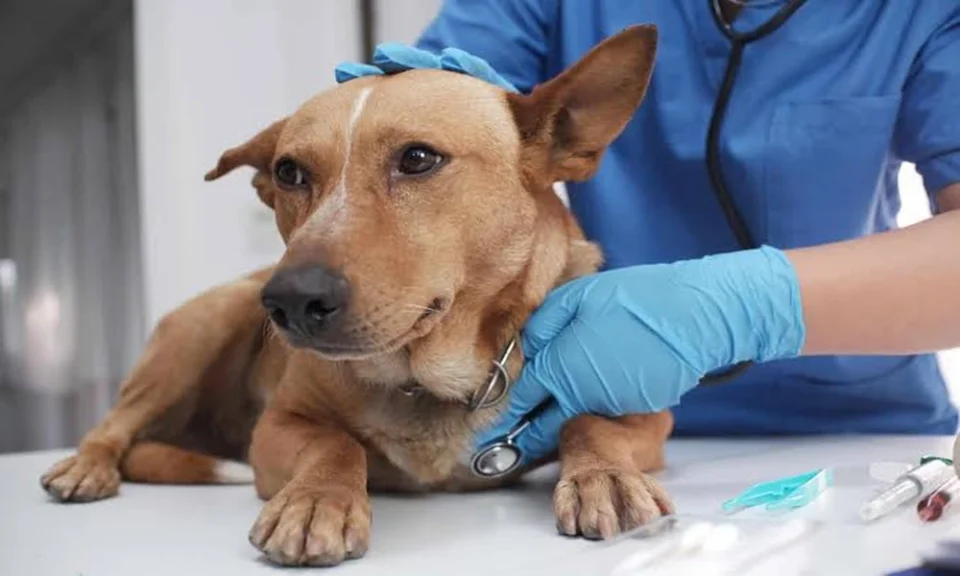
Pets are good at hiding discomfort. Cats especially can look fine until they are not. Dogs often keep eating, playing, and wagging even when something hurts. That is why wellness care at an animal hospital matters. During a physical exam, a veterinarian checks weight trends, heart and lung sounds, skin and coat condition, teeth and gums, joints, eyes, ears, and abdomen. Those details create a baseline that helps identify subtle changes early.
A veterinary exam also opens the door to better decisions about vaccines, nutrition, dental care, lab work, and age related screening. A young pet may need guidance on growth, parasites, and spay or neuter timing. A senior pet may need bloodwork to look for kidney disease, thyroid changes, or early arthritis. The visit is not only about what your pet needs today. It is about what your pet is likely to need next.
This is where the foundation idea becomes clear. A strong preventive plan gives context. If your pet suddenly gets sick, the veterinarian already knows their normal weight, prior lab values, vaccine history, and past concerns. That can speed up diagnosis and reduce guesswork.
Preventive care lowers risk, stress, and long term cost
When routine care slips, problems tend to show up at the worst time. A tooth infection flares up before a holiday. Fleas spread through the house after a busy month. A senior cat stops eating on a weekend and no one knows how long the weight loss has been happening. These are the moments that make people feel behind and overwhelmed.
Animal hospital preventive services help reduce that cycle. They support parasite control, vaccination schedules, dental checks, weight management, and early disease screening. They also give you a clear place to ask the questions that seem small but are often not small at all. Is this lump normal. Is this cough from excitement or something else. Is my pet drinking more water than usual. Those questions belong in routine care, before they turn urgent.
| Type of Care | What It Usually Includes | Likely Outcome | Cost Pattern |
|---|---|---|---|
| Preventive care visit | Physical exam, vaccines, parasite prevention, weight review, early screening | Problems found earlier, fewer surprises, better long term tracking | Planned and more predictable |
| Problem based sick visit | Exam for a current symptom, targeted testing, treatment plan | Relief for the immediate issue, but less baseline history if routine care is missing | Moderate to high depending on tests and treatment |
| Emergency visit | Urgent stabilization, imaging, bloodwork, hospitalization if needed | Fast response during a crisis, often after a problem has advanced | Highest and least predictable |
Small steps make preventive veterinary care easier to keep up with
1. Schedule care before there is a problem.
Book your pet’s next wellness exam now, even if they seem fine. Routine appointments are easier to keep than last minute urgent visits, and they give your veterinarian the chance to catch issues before your pet is in pain.
2. Track changes at home.
Write down shifts in appetite, water intake, energy, bathroom habits, scratching, or weight. You do not need a perfect system. Notes on your phone are enough. Patterns help your veterinarian connect the dots faster and more accurately.
3. Stay current on prevention basics.
Ask about vaccines, flea and tick control, heartworm prevention, dental care, and senior screening. These are the routine pieces that protect your pet quietly over time. They may not feel urgent in the moment, but they often prevent the visits that become urgent later.
Preventive care supports a longer, steadier life for your pet
There is relief in having a plan. You do not need to catch everything on your own, and you do not need to wait for something to go wrong before using an animal hospital the way it is meant to be used. Preventive care gives your pet a better chance at staying healthy, and it gives you more confidence that you are not missing something important.
If your pet has not had a recent checkup, schedule a wellness visit and build from there. One routine appointment can set the course for better health, fewer emergencies, and more peace of mind.
