
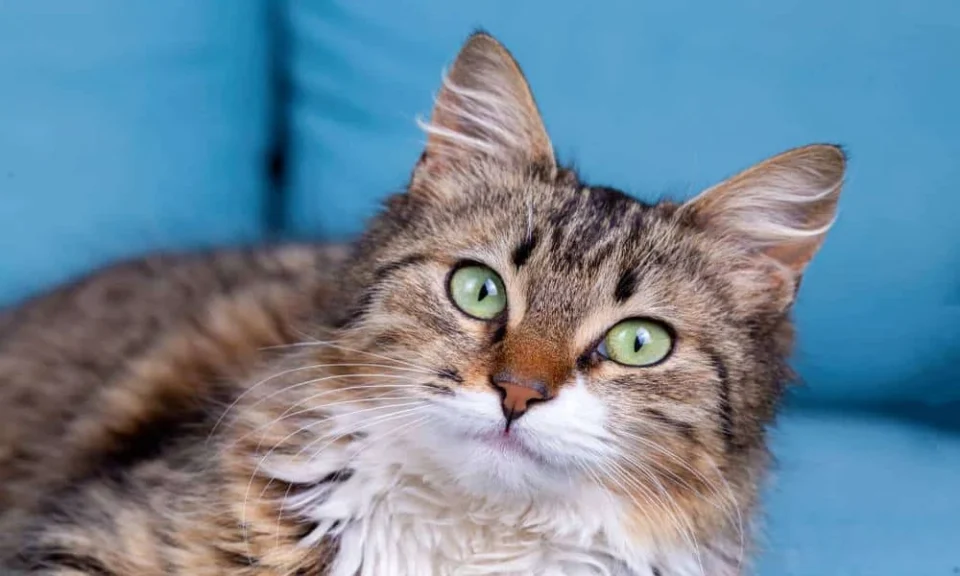
You notice the change before anyone else does. Your dog skips dinner. Your cat hides under the bed. A limp shows up out of nowhere, or a cough that seemed small yesterday sounds different tonight. That uneasy feeling settles in fast because pets cannot explain what hurts, and waiting can feel like a gamble you do not want to take. In those moments, a Richmond veterinary clinic can offer timely care and peace of mind.
That is where animal hospitals matter. They are not just places for vaccines or emergencies. They are a steady part of modern pet care, helping you catch problems early, manage chronic illness, respond when something turns urgent, and make clearer choices when you are stressed. The role of animal hospitals in modern pet care is simple at its core. They protect your pet’s health across every stage of life, from prevention to crisis care to long-term support.
Animal hospitals connect prevention, diagnosis, and treatment
Many pet owners still think of an animal hospital as the place you go when something is already wrong. That misses the bigger picture. A modern veterinary hospital helps prevent disease before it starts, which often saves pain, time, and money later.
Routine exams, vaccines, parasite control, dental care, bloodwork, and nutrition guidance are the quiet backbone of good care. Preventive visits can uncover problems you would not spot at home, including kidney disease, heart changes, diabetes, and early arthritis. Virginia Tech’s guide to pet preventive care shows how regular screening and basic wellness planning reduce avoidable illness.
That matters because pets age quickly. A year of waiting can mean a small issue turns into a serious one. A cat with mild weight loss may actually have thyroid disease. A dog that seems less playful may be dealing with joint pain. When a hospital team tracks your pet over time, patterns become easier to catch.
Modern pet healthcare also depends on better diagnostics than many owners expect. Many animal hospitals now offer in-house labs, imaging, surgery, dental radiographs, and monitoring tools that speed up answers. When your pet is sick, faster answers often mean faster relief.
Emergency and specialty services fill the gaps home care cannot
There is a point where watching and waiting stops being reasonable. Trouble breathing, repeated vomiting, collapse, seizures, toxin exposure, bloating, blocked urination, and major wounds need skilled care right away. In those moments, home remedies are not enough, and online advice can waste precious time.
Emergency teams are built for exactly this kind of pressure. They stabilize pets, control pain, run urgent tests, and decide what has to happen first. Cornell’s overview of emergency and critical care reflects what these services do every day, which is triage, intensive monitoring, oxygen support, fluid therapy, and lifesaving intervention when minutes matter.
This is also why the importance of veterinary hospitals has grown. Pets live longer now. Families pursue more advanced treatment than they did years ago. Chronic diseases like cancer, heart disease, kidney disease, and endocrine disorders often need ongoing management, not one visit and done. Animal hospitals bring general practice, emergency medicine, surgery, and specialist referrals into one care system.
You see the difference most clearly when life gets messy. A senior dog with arthritis may need pain control, mobility support, lab monitoring, and dental treatment. A young cat with urinary issues may need urgent care one day and diet management for years after that. A good hospital does not treat isolated symptoms. It helps build a plan.
Animal hospital care often reduces higher costs and risks later
Cost is one of the hardest parts of pet care, and pretending otherwise helps no one. Many owners delay visits because they are worried about the bill. That delay can make treatment more expensive. A skin infection that could have been handled early may turn into repeat visits, lab work, medication changes, and weeks of discomfort. Dental disease left alone can lead to extractions, infection, and problems beyond the mouth.
The financial side becomes clearer when you compare early care with delayed care.
| Situation | Early Animal Hospital Care | Delayed or Home Only Response |
|---|---|---|
| Vomiting and diarrhea | Exam, hydration plan, testing if needed, faster recovery | Risk of dehydration, toxin exposure missed, emergency visit later |
| Dental disease | Routine dental exam and cleaning before severe damage | Pain, tooth loss, infection, higher treatment costs |
| Limping or stiffness | Pain relief, imaging, arthritis plan, mobility support | Worsening injury, chronic pain, reduced activity and weight gain |
| Senior pet wellness | Screening labs catch disease earlier | Illness found after major symptoms appear, harder management |
This does not mean every concern turns into a major crisis. It means professional assessment gives you better odds. Even when the answer is simple, you get clarity. That alone lowers stress.
Practical steps help you use animal hospitals more effectively
Build a care baseline. Schedule routine wellness visits and keep a simple record of your pet’s weight, appetite, energy, medications, and behavior changes. Small shifts mean more when you can show a timeline.
Know your emergency threshold. Find the nearest animal hospital and after-hours emergency clinic before you need one. Save the number, address, and route on your phone. In a real emergency, that preparation matters more than most people realize.
Ask for a care plan, not just a treatment list. If your pet has a diagnosis, ask what to watch for at home, what changes need a recheck, what the next 30 days look like, and what can wait versus what cannot. Clear instructions reduce confusion and missed follow-up.
Animal hospitals remain central to better pet care
When your pet is unwell, you are not overreacting by wanting answers. You are responding to the fact that animals hide pain, decline can happen fast, and early care changes outcomes. A trusted animal hospital gives you prevention, diagnosis, treatment, and support in one place, which is exactly what modern pet families need.
If your pet is due for a wellness visit or something feels off, contact an animal hospital and get guidance now. Acting early is often the kindest step you can take.
