
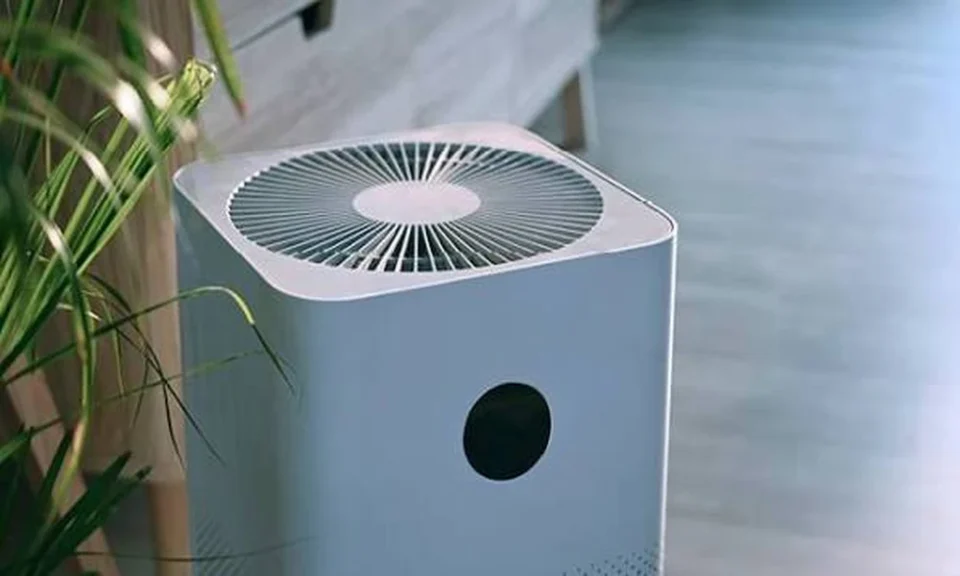
Indoor air can feel stale, dusty, dry, or heavy without one clear cause. Odors may linger, dust may return fast, or dry air may irritate skin and throats. The right fix depends on the source of the issue. Let’s look at how each option works and when a homeowner may want a closer HVAC review.
Start With the Air Problem
A good first step is to name the concern inside the home. For example, The Weather Changers discusses indoor air quality through services such as filtration, humidifiers, UV lights, and air quality checks. That type of service range shows why the exact problem matters. Dust, odors, dry air, and allergy flare-ups can each point to a different solution.
A quick home review can reveal useful clues. Check rooms with the most dust, odors, dry air, or poor comfort. Note if symptoms change by season or after the system runs. These details help connect the problem to the right indoor air solution.
When Filtration Makes Sense
Filtration deals with particles that move through the HVAC system. Dust, pollen, pet dander, and smoke residue can collect in the air and on surfaces. A better filter or whole-home filtration unit can reduce what passes through the system. Filter choice should match the equipment and airflow needs.
A filter with too much resistance can strain the HVAC system. That is why a technician should check compatibility before a change. The goal is cleaner air without reduced airflow. Regular filter replacement also matters because a clogged filter loses value fast.
When Air Purification Fits
Air purification targets smaller airborne concerns, odors, and certain biological particles. Some systems use ionization or UV light as part of the HVAC setup. Professional service providers like The Weather Changers bring options such as ionization, UV lights, and whole-home air quality accessories. These tools may suit homes with odor issues or added air quality concerns.
Useful Details to Note
- Persistent odors in certain rooms
- Dust or particles that return soon after cleaning
- Pet dander, smoke, or strong product use
- Last HVAC service date and filter change
Air purification should match a real issue. Review how the device works and what maintenance it needs. Check where it fits inside the HVAC system. Clear details help avoid a poor purchase.
When Humidity Control Helps
Humidity control deals with air that feels too dry or too damp. Dry air can affect comfort, wood floors, skin, and throat irritation. Damp air can support musty odors and indoor discomfort. The right balance can make a home feel more stable.
A whole-home humidifier can add moisture during dry seasons. A dehumidifier can help when excess moisture becomes a pattern. The best choice depends on indoor readings, comfort complaints, and HVAC performance. A simple humidity meter can provide a useful starting point.
Match the Fix to the House
Indoor air issues often overlap. A dusty home may also have dry air or odor concerns. A technician can check the system, ductwork, filters, and humidity before advice is given. This review helps identify the source of the problem before any equipment is added.
Homeowners should ask for a clear reason behind each recommendation. The answer should connect to symptoms, test results, or HVAC conditions. It should also include maintenance needs and replacement costs. Clear facts make the choice easier to review.
Air purification, filtration, and humidity control solve different indoor air problems. Filtration targets particles, purification addresses select airborne concerns, and humidity control manages moisture balance. A careful review of symptoms, equipment, and indoor conditions can point to the right option. The best decision starts with facts from the home.
